Helping caregivers understand what is behind a child’s behavior, so they can respond in ways that promote safety, connection, and healing.
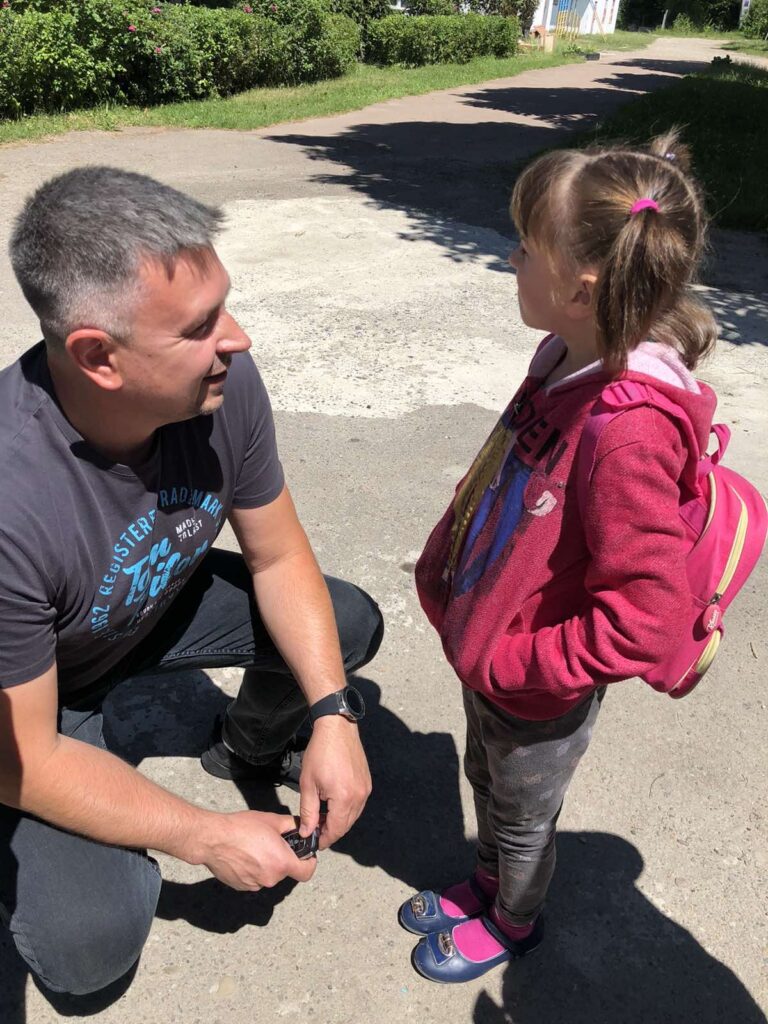
Understand the meaning behind the behavior.
Children who have experienced trauma may communicate fear, loss, or unmet needs through their behavior. Trauma-informed care helps adults understand what may be happening beneath the surface and respond in ways that build safety, trust, and connection.
Understand
Trauma affects the brain, body, behavior, attachment, and development.
Connect
Build safety, trust, healthy relationships, and emotional regulation.
Respond
Use practical strategies that address behavior while supporting healing.
Equipping the Adults Who Care for Children
NHFC’s Trauma-Informed Care Training is an evidence-informed program designed to translate the science of trauma into practical tools adults can use in everyday interactions with children.
The training helps participants learn how to:
- Understand the impact of trauma on the developing brain, body, emotions, behavior, and learning
- Recognize the need behind behavior and how past experiences can shape a child’s responses today
- Build safe, trusting relationships that strengthen attachment and connection
- Help children regulate emotions, stress responses, and behavior
- Respond to challenging behavior without increasing fear or dysregulation
- Create greater felt safety through predictable, responsive caregiving
- Support resilience and healing as children develop healthier ways of relating and coping
- Apply trauma-informed strategies to everyday situations with children
The program combines education with practical application so participants are not simply learning about trauma. They are learning how to respond differently because of what they understand.
Who is The Training For?
Trauma-informed care can strengthen the way children are supported across families, organizations, and communities.
Foster & Adoptive Parents
Kinship Caregivers
Child Welfare Professionals
Educators
Ministry Leaders
Nonprofit & Child-Serving Organizations
Training can be adapted to the needs and cultural context of the caregivers and professionals being served.
Practical Training Designed for Real Life
NHFC’s Trauma-Informed Care Training includes four modules that combine self-paced learning with opportunities for discussion and practical application. Training can be adapted for foster parents, caregivers, professionals, and organizations and for different cultural and community settings.
Trauma-Informed Care in Ukraine
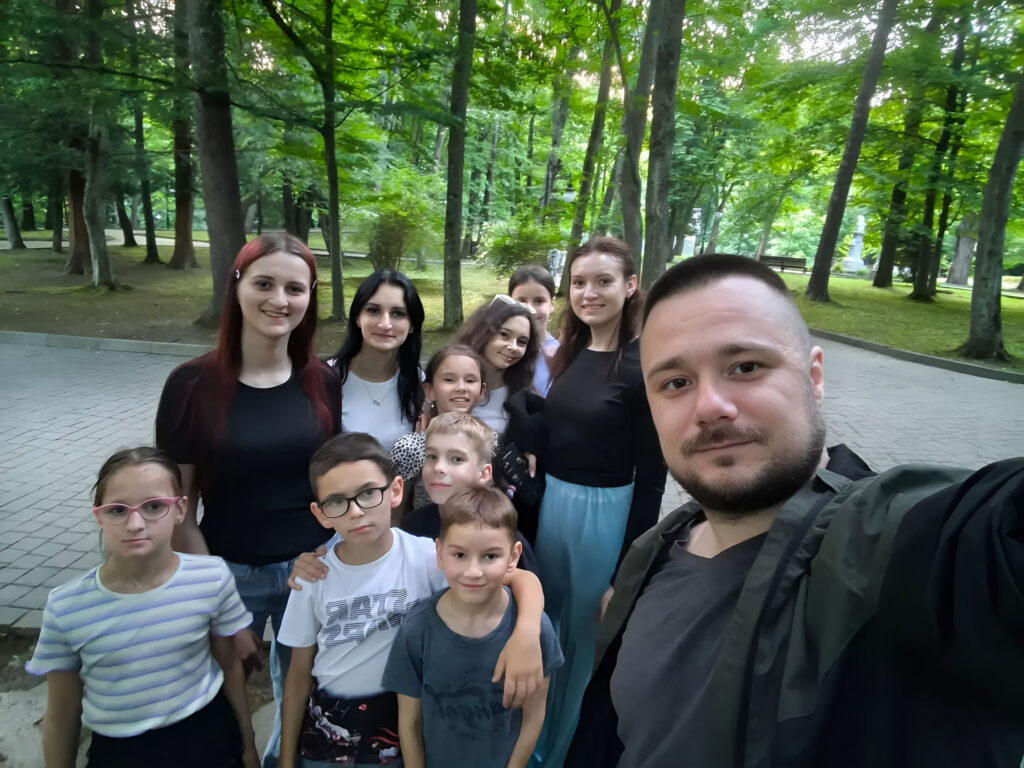
Ukraine is one of the most significant places where NHFC is putting trauma-informed care into practice. Children may be carrying multiple layers of trauma from war, displacement, family separation, loss, neglect, disability, and institutional care.
NHFC’s curriculum has been fully translated into Ukrainian and is being used to equip foster parents and child-serving professionals. Trauma-informed care is also foundational to our Hope House program, where foster parents complete training before children enter their families and receive continued coaching and support afterward.
The goal is not simply to move a child into a family. It is to help prepare that family to understand and respond to the child who comes through their door.
Trauma-Informed Care Across Communities
While much of NHFC’s current trauma-informed work is taking place in Ukraine, the principles are not specific to one country.
Children experience trauma in every part of the world.
Our goal is to equip the adults around them with knowledge and practical tools that can help create safer, more connected, more responsive environments for children to heal.
NHFC seeks opportunities to work alongside organizations, churches, caregivers, and child-serving professionals who want to strengthen trauma-informed care in their own communities.
Interested in Trauma-Informed Care Training?
If you are interested in bringing trauma-informed training to your organization, caregivers, or community, we would love to hear from you.